Children must be physical activity to grow and develop. They may benefit from it by being active, healthy, and fit. This article will look at the many benefits of physical activity for children. We’ll examine how exercise may enhance academic achievement, socializing, mental health, and cognitive growth. We shall eventually learn why physical exercise is critical for a child’s growth.
The advantages of physical activity for children

Children’s general health and development depend on physical exercise, which offers various advantages that may help them develop into healthy, content adults. Children who engage in regular physical exercise may maintain a healthy weight while growing strong bones and muscles. Additionally, it may aid in lowering the chance of developing long-term illnesses, including diabetes, heart disease, and obesity.
Children’s cognitive development may also be aided by physical exercise. It may increase their ability to concentrate and focus and assist children in learning how to solve problems. Additionally, exercise may enhance memory and accelerate learning.
Exercise is crucial for maintaining mental wellness. It may ease tension and anxiety and aid kids in navigating challenging emotions. Additionally, it might support their growth in confidence and self-worth.
Children’s social growth may also be aided by physical exercise. It may aid in their socialization, communication, and teamwork skills development.
And lastly, exercise benefits young people’s academic performance. It may help them keep organized and on target while enhancing their attention and concentration. They may learn more rapidly and acquire problem-solving abilities as a result.
To sum up, exercise is crucial for a child’s overall health and development. It may aid in developing healthy bones and muscles, a stable body weight, cognitive growth, mental health improvement, social growth, and academic achievement.
Physical Fitness and Cognitive Growth

The cognitive development of a youngster depends on physical exercise. Physical exercise may help kids improve their motor skills, attentiveness, learning, and problem-solving abilities. This is because exercise fosters children’s ability to comprehend their surroundings, develop organizational and planning skills, and expand their capacity for abstract thought.
Children’s motor abilities may grow with physical exercise—coordination, balance, and agility fall under this category. As kids learn to move about and engage with their surroundings, it may also help them comprehend it better.
Children’s attention spans may also be increased by physical exercise. Exercise improves concentration by increasing blood flow to the brain. Stress reduction is another benefit of exercise, which also aids in keeping kids awake and engaged.
Additionally, exercise may improve a child’s ability to learn. This is because exercise stimulates the brain, which may aid in children’s conceptual understanding and memory. Physically active children have superior organizational and planning skills, which may lead to improved comprehension and memory.
Exercise may aid in the development of children’s problem-solving abilities. This is so because exercise promotes creative thinking and helps to stimulate the brain. Physically active children have higher abstract thinking skills, which might aid them in problem-solving.
Exercise is crucial for a child’s cognitive growth. It may aid a child’s motor skill development and focus, learning, and problem-solving abilities. Therefore, parents must make sure that their kids are getting enough exercise daily.
Health, Mental and Physical Fitness

A child’s growth requires physical exercise, which may also benefit their mental health. Children who engage in regular physical exercise can better control their emotions, manage their stress and anxiety, and develop suitable coping mechanisms.
Physical Exercise and Stress Reduction:
Children may effectively regulate their stress by engaging in physical exercise. Exercise may allow kids to blow off steam and regulate their emotions while lowering the body’s production of stress chemicals. Children who engage in regular physical exercise may better control their emotions and acquire suitable coping mechanisms for stress.
Activity Levels and Self-Esteem:
A child’s self-esteem may also be increased via physical exercise. Children may experience pride and a feeling of success after physical exercise. This may make them feel more confident and give them a sense of direction. As kids learn to value their physical assets, regular physical exercise may also assist them in forming a healthy body image.
Exercise and Coping Techniques:
Children who participate in physical exercise may also improve their coping mechanisms. Exercise can help children reduce stress and anxiety while expressing their emotions. Children who engage in physical exercise may improve their emotional regulation skills and create suitable coping mechanisms to cope with challenging circumstances.
Emotional control and physical activity:
Children who participate in physical exercise might also learn how to control their emotions. Exercise may help the body produce less stress chemicals while allowing kids to communicate their feelings. Children who engage in physical exercise may improve their emotional regulation skills and create suitable coping mechanisms to cope with challenging circumstances.
A child’s physical and mental health can benefit from exercise. Children who engage in regular physical exercise can better control their emotions, manage their stress and anxiety, and develop suitable coping mechanisms. Children who engage in physical exercise may improve their emotional regulation skills and create suitable coping mechanisms to cope with challenging circumstances.
Socialization and physical activity
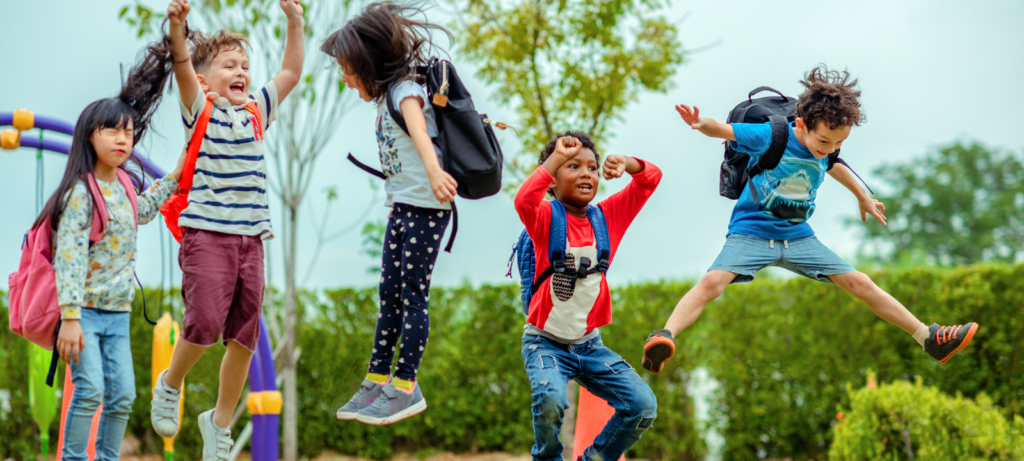
Physical exercise is crucial for a child’s growth and development and may aid in social skill development. Children may develop social skills, interpersonal interactions, teamwork, and cooperation via physical exercise.
Children may develop connections via physical exercise by having chances to engage with their classmates. Children can get to know one another better and form connections when participating in sports or other activities with peers. Children may benefit from this through developing social skills, including communication, collaboration, and teamwork.
Children who participate in physical exercise also improve their social skills. Children may learn to share, cooperate, and take turns via physical exercise. These abilities aid kids in developing interpersonal interactions and teamwork skills.
Lastly, physical exercise may teach kids how to work as a team. Children may learn to cooperate and support others by participating in team sports or activities. This may teach kids how to cooperate with others and be a member of a broader group.
Physical exercise is crucial for a kid’s growth and may aid in the social skills development of that youngster. Children may develop social skills, interpersonal interactions, teamwork, and cooperation via physical exercise. This may assist kids in developing the interpersonal skills and connections crucial for their growth.
Activity Levels and Academic Results

Academic performance has been shown to benefit from physical exercise. It may aid kids in sharpening their concentration, enhancing their capacity for problem-solving, enhancing their memory, and eventually enhancing their academic success.
Children who participate in physical exercise have better concentration, which in turn helps them focus better. Physical exercise may improve the quantity of oxygen given to the brain, helping kids maintain attention and alertness. Children may absorb material more effectively and remember it more clearly due to their heightened attentiveness.
Physically active children may also improve their problem-solving abilities. Children who exercise regularly develop critical and creative thinking skills, which may improve their problem-solving abilities. Children’s academic performance may benefit in all areas thanks to their enhanced problem-solving skills.
Children’s memory may also be enhanced by physical exercise. The synthesis of hormones linked to memory development and retention may be increased by exercise. Children who need to remember knowledge for examinations and other academic work may benefit from this.
And lastly, physical exercise may improve students’ academic achievement. Physical exercise may boost academic performance in the short and long term. Children who engage in physical exercise tend to establish better study habits, which benefits their academic performance.

Physical exercise may enhance a child’s ability to concentrate, sharpen their problem-solving abilities, enhance their memory, and eventually improve their academic success. It is evident that physical exercise plays a crucial role in a child’s development and may enhance academic achievement.
Conclusion
A child’s growth is greatly aided by physical exercise. It encourages not just the best possible mental and emotional development but also the best possible physical health. Regular activity promotes self-esteem, helps improve motor skills, and lays the groundwork for lifetime healthy behaviors. Physical exercise also strengthens neural connections, which improves focus and academic performance. It is indisputable that leading an active lifestyle from a young age has several health advantages.
Tots in Sport knows how important physical exercise is in determining a child’s development trajectory. Ensure that kids get the many advantages of exercise in a pleasant, exciting way by providing goods and activities designed for the younger audience. Tots in Sport advocates for using physical exercise to establish a foundation for a child’s overall development.