In an era dominated by technology, keeping kids active is more crucial than ever for their overall health and well-being. Physical activity contributes to developing strong muscles and bones and fosters cognitive and social skills. According to statistics from the UK, childhood obesity rates continue to be a concern, emphasizing the need for creative and engaging ways to encourage kids to stay active. This blog explores ten innovative methods to keep kids active while integrating relevant facts and stats from the UK.
The Importance of Keeping Kids Active
Before delving into creative activities, it’s essential to understand the significance of keeping kids active. In the UK, the National Health Service (NHS) reports that only 19% of children and young people meet the recommended daily activity levels. Encouraging physical activity in childhood addresses immediate health concerns and establishes habits that can last a lifetime.
Creative Ways to Keep Kids Active
1. Dance Parties at Home
Transforming your living room into a dance floor can make physical activity fun for kids. According to the UK’s Chief Medical Officers, moderate to vigorous-intensity physical activity, such as dancing, is crucial for children’s health. Turn on some lively music, and let the dance party begin!
2. Obstacle Course Challenges
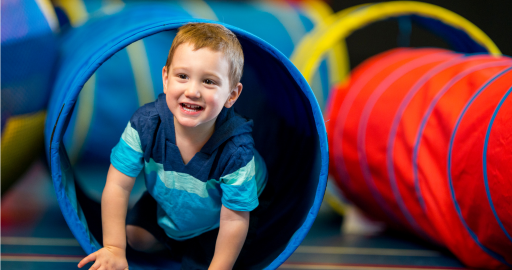
Creating an obstacle course in the backyard or indoors provides an exciting physical challenge. This not only enhances gross motor skills but also encourages problem-solving and creativity. The Youth Sport Trust in the UK emphasizes the benefits of incorporating obstacle courses into physical education.
3. Nature Scavenger Hunts
Combining physical activity with outdoor exploration, a nature scavenger hunt engages children in a quest for hidden treasures. The UK’s Physical Activity Guidelines for Early Years recommend at least three hours of physical activity per day, and nature-based activities contribute to achieving this target.
4. Active Screen Time
Recognizing the prevalence of screen time in children’s lives, leverage technology for active pursuits. Interactive video games that require movement, such as those available for gaming consoles or fitness apps, provide an engaging way for kids to stay active indoors.
5. Family Fitness Challenges
Make staying active a family affair by introducing fitness challenges. This could involve friendly competitions in activities like jumping jacks, squats, or even short sprints. The sense of camaraderie promotes a positive attitude towards exercise.
6. Sports Sampling
“Tots in Sport” encourages exposing children to various sports at an early age. Create opportunities for kids to sample different sports, helping them discover activities they enjoy. This not only relates to physical development but also encourages lifelong fitness.
7. Balloon Volleyball
Transform a simple balloon into a low-impact volleyball, suitable for indoor or outdoor play. This activity enhances hand-eye coordination and promotes cardiovascular fitness. It’s a playful way to introduce kids to the fundamentals of sports.
8. Yoga for Kids
Introducing kids to age-appropriate yoga routines improves flexibility, balance, and mindfulness. The UK NHS recognizes yoga’s benefits for children, including improved mental well-being and stress management.
9. DIY Sports Equipment
Get creative by making simple sports equipment at home, such as a homemade obstacle course or DIY mini-golf setup. This adds an element of craftiness and enhances imaginative play and physical activity.
10. Active Commuting
Encourage active commuting by walking or cycling to school when possible. According to data from the UK Department for Transport, only 2% of primary school children walk to school, highlighting the need to promote active transportation methods.
The Role of Parents and Caregivers
Setting a Positive Example
Children often mimic the behavior of adults. By modeling a healthy lifestyle, parents and caregivers significantly impact children’s attitudes toward physical activity.
Limiting Sedentary Time
The UK’s guidelines on screen time for children emphasize the importance of limiting sedentary behaviors. Balancing screen time with active play contributes to overall health and well-being.
Conclusion
In a world where sedentary habits are on the rise, finding creative ways to keep kids active is essential for physical and mental development. Clubs like Tots in Sport underscore the importance of early exposure to various activities, laying the groundwork for a lifetime of fitness. By incorporating these ten creative methods into daily routines, parents, caregivers, and educators can contribute to a healthier and more active future for the next generation.