Physical activity is essential for children’s overall health and development, even from early childhood. As parents, we need to understand the role of exercise in our children’s lives and actively encourage them to engage in physical activities. This blog will discuss the advantages of exercise for young children, including how it improves social, motor, and cognitive abilities. It will also provide entertaining and stimulating exercise suggestions for young children.
The Role of Physical Activities in Early Childhood
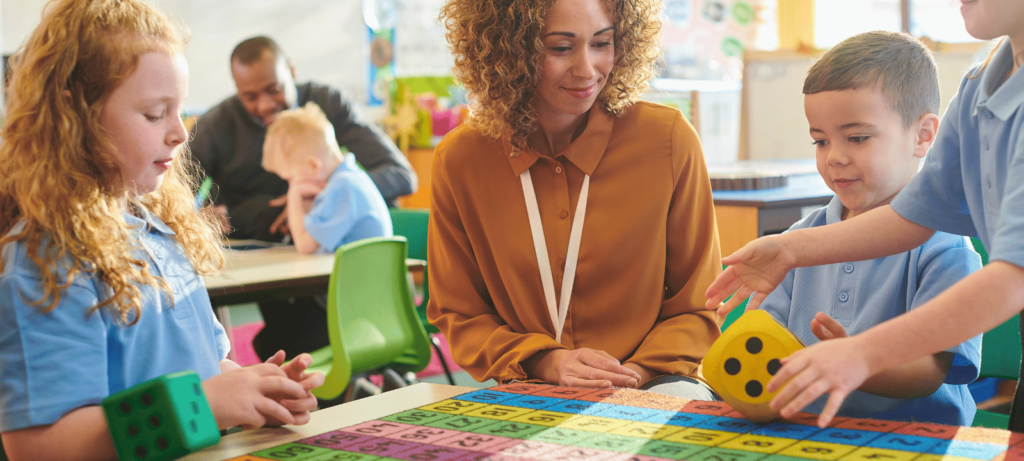
Physical activities are crucial in early childhood development, providing numerous benefits that positively impact children’s health and well-being. Encouraging young children to engage in physical activity helps them maintain a healthy weight and develop strong bones, muscles, and motor skills. According to activity guidelines, children aged 1-5 should have at least three hours of physical activity daily, including active play, floor play, and outdoor play.
Promoting Social Development
Engaging in playground activities and outdoor games provides young children opportunities to interact, socialize, and develop teamwork skills. Children who play together learn how to communicate, share, take turns, and resolve conflicts, fostering healthy social skills and interaction. Play environments, such as playgrounds or play areas, create a space where children can engage in social activities, form friendships, and develop new skills. Through physical activity fun, young children can enhance their socialization skills, which are vital to their overall development.
Enhancing Motor Skills
Outdoor activities and play spaces allow young children to improve their coordination, balance, and gross motor skills. Preschooler activities like hopscotch, tumble play, and ball games require children to use different muscle groups, helping them develop strong motor skills. Active play, such as hop, tumble, and tug games, supports physical development and coordination in young children. Playgrounds equipped with equipment like slides, swings, and climbing frames provide children with opportunities to develop movement skills, enhancing overall motor skills development.
Nurturing Cognitive Growth Through Exercise
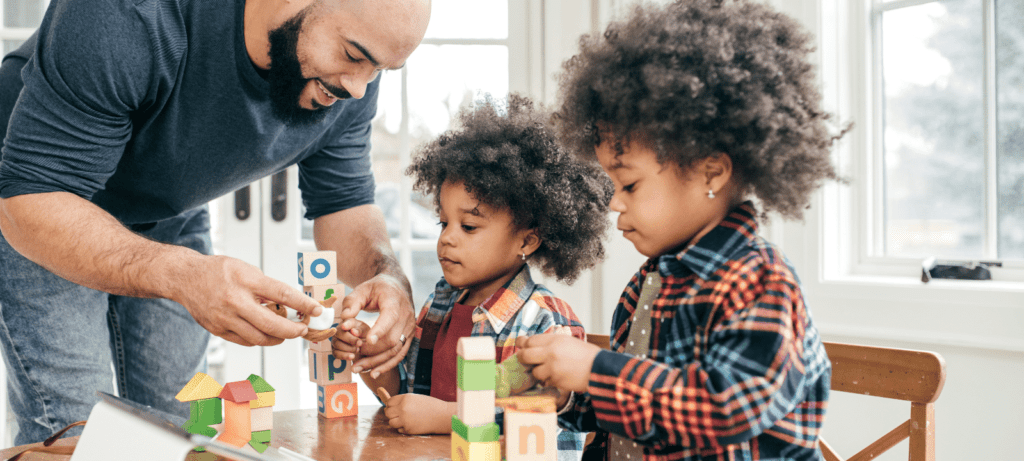
Children who engage in physical exercise get bodily advantages and significant benefits to their cognitive development. Engaging young children in daily physical activity has enhanced their learning and retention of new skills. Outdoor play activities and early childhood education create an environment that stimulates children’s cognitive growth, promoting healthy brain development. Children can strengthen their cognitive abilities by incorporating physical activity fun, setting a solid foundation for future learning.
The Connection Between Exercise and Learning
Research has shown a strong connection between physical activity and children’s ability to learn and retain new skills. Regular physical activity enhances blood flow to the brain, improving overall cognitive function. When young children engage in active play, their heart rate increases, increasing oxygen flow to the brain and enhancing their ability to process information and make connections. By incorporating physical activity into early childhood education, children can maximize their learning potential and develop strong cognitive skills.
Impact on Problem-Solving Skills
Engaging young children in outdoor problem-solving activities, such as chalk or timer games, can positively impact their cognitive development. These activities require children to think critically, strategize, and make decisions, strengthening their problem-solving skills. Preschooler activities like hop games and tumble play also contribute to developing problem-solving skills as children navigate different physical challenges and find solutions. Play area activities, including obstacle courses, further enhance children’s cognitive development, providing opportunities to overcome obstacles and think creatively.
Fun and Engaging Exercise Ideas for Toddlers and Preschoolers
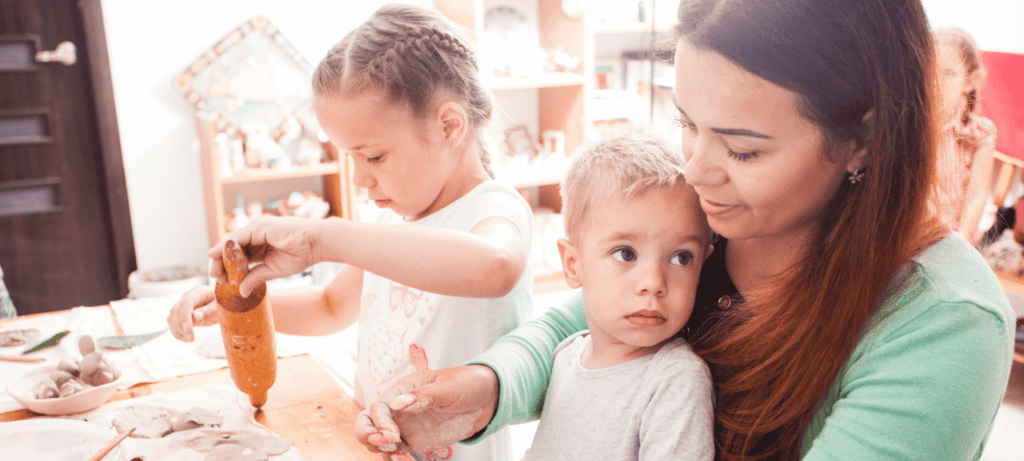
Now that we understand the importance of early childhood exercise let’s explore some fun and engaging exercise ideas for toddlers and preschoolers.
Musical Hide-and-Seek
Musical Hide-and-Seek is a great way to combine physical activity, fun, and socialization for young children. This game involves playing music while children hide; they must find a new hiding spot when it stops. Not only does it provide physical movement, but it also encourages teamwork, social skills, and coordination.
Balloon Tennis
Balloon Tennis offers physical activity, coordination, and socialization for young children. Using a balloon as a ball, children can play tennis by hitting the balloon back and forth with their hands, encouraging gross motor skills development, coordination, and social interaction.
How Can Parents Model Healthy Exercise Habits?
As parents, we play a crucial role in shaping our children’s behaviors, including their attitude toward physical activity. We can inspire our children to engage in physical activities by modeling healthy exercise habits. Here are some ways parents can set a healthy example:
- Incorporate physical activity into your daily routine. This can be done by going for walks, bike rides, or playing active games.
- Demonstrate an active lifestyle by participating in sports or fitness activities that you enjoy.
- Encourage outdoor and active play early on, making it a regular part of your child’s routine.
- Please support your child’s participation in organized physical activities or sports of their interest.
- Emphasize the importance of enjoying physical activity rather than solely focusing on its health benefits.
Conclusion
Physical activity plays a crucial role in early childhood development. It promotes social skills, enhances motor skills, and nurtures cognitive growth. By engaging in exercise, children improve their physical health, develop critical problem-solving skills, and enhance their learning abilities. Toddlers and preschoolers should enjoy physical activities in a pleasant and engaging atmosphere, and parents should provide an example of good exercise practices. Whether it’s playing musical hide-and-seek or having a balloon tennis game, these activities contribute to the overall well-being of your child. So, make exercise a regular part of your child’s routine and witness its positive impact on their growth and development.